Anime, Identity, and Literary Abstracts
Deadman Wonderland: A Postmodern Dystopia
Postmodernism is a literary movement present throughout the contemporary culture of the day. It is a driving factor in literature, art, philosophy, and society. In this respect, current anime has several postmodern tendencies that ultimately drive character development and work to construct the individual worlds presented. The foundational question of postmodernism focuses on the nature of reality and how we, as individuals, construct our own interpretation of reality. In this panel we will be identifying the postmodern construction of Jinsei Kataokas written work along with Kazuma Kondous illustrations within the world of Deadman Wonderland.
Death Note & Postmodernism
Death Note can be viewed through the lens of literary modernism, a movement characterized by a break with traditional narratives and an exploration of complex psychological and philosophical themes. Like modernist works, Death Note delves into the fragmented, subjective nature of reality, particularly through the protagonist Light Yagami, whose descent into moral ambiguity reflects the modernist preoccupation with internal conflict and the human psyche. The anime questions established notions of good and evil, challenging societal norms and presenting a world where truth is elusive, a hallmark of modernist literature. Additionally, its use of unreliable narration, shifting perspectives, and existential questions about power, fate, and identity align with modernist themes that explore the alienation and uncertainty of the individual in an increasingly complex world.
Attack on Titan: The Sociological Impact of Fear
Attack on Titan has gained a massive following very quickly. Fact. But what draws us to such a grotesque presentation of violence? Is it the characterization? The plot? Or is it the fear we experience while watching? In this panel we will look at different sociological aspects of fear and explore why Attack on Titan has received an excellent amount of (well deserved) praise for its artistic presentation of fear.
Shelter: An Interpretation Through Film and Literary Theory
Porter Robinson & Madeon’s Shelter – a combination of a beautiful visual paired with inspiring music allows an audience to experience an entire story from start to finish in a matter of six minutes. During this panel we will detail elements from literary and film theory to delve a bit deeper into the beautiful world Shelter provides us.
Light, Spike, and Alucard Walk Into A Bar: Or How the Anti-Hero Works
Light Yagami, Spike Spiegel, and Alucard. A mass murderer whose only goal is to vanquish evil from the world; A bounty hunter who seeks profit and gain at whatever the cost; and finally a vampire fighting against his kind seeking not only the death of his opponent, but their complete humiliation. These are anti-heroes, and we are here to discuss why we, as a readership, love them.
Satire and Anime: the Art of Abridged Series
Satire is a comedic exaggeration of accepted norms to the point of absurdity, and this is precisely why we love it. Goku spends half a saga charging his kamehameha wave, Seras Victoria (or simply “Police Girl) from Hellsing, and various other tropes and trends are hilariously mocked in the satirical representations now commonly referred to as, “Abridged Series.” In our panel we want to talk a bit about satire; the history, how it started, how it has grown. After a brief history, we want to show some of our favorite moments from TeamFourstar’s Dragonball Z, and Hellsing, Semisoma1’s Gurren Lagann, and of course LittleKuriboh’s Yugioh abridged series.
Avatar: The Malleability of Goodness & The Dichotomy of Evil
In the two representations of the World of the Avatar that we have seen (The Last Airbender & The Legend of Korra), representations of good and evil have been presented in multiple ways. Be it through the lessons Aang learns through his series, Zuko’s transformation, Varrick’s morality, or most conclusively Korra’s growth through her four books. In this panel we will dissect the world of the Avatar, specifically what it means to do “Good” and how the idea of “good” transforms throughout the entirety of the series. Conversely, we will also examine the representations of evil that develop throughout the series, and how they manifest in the world of the Avatar.
Gender and Sexuality: Exploring Identity in the World of the Avatar
Judith Butler, a scholar in the field of gender studies, aptly states, “The presumption of a binary gender system implicitly retains the belief in a mimetic relation of gender to sex whereby gender mirrors sex or is otherwise restricted by it.” In other words, gender itself can be seen as a cultural construction, which is often reinforced by stereotypes to that of one’s sex assigned at birth. In this panel, I hope to engage the audience in a discussion of gender construction utilizing the two depictions of the world of the Avatar. Each series (The Last Airbender & The Legend of Korra) does an excellent job presenting us with an eclectic collection of characters, situations, and distinctive identities that we will examine at length during this seminar presentation & discussion.
Blurred Lines: Genderbending & Cosplay
Cosplay has seen considerable transformation over the years in various respects. Be it through elaborate detail, or in total transformations of the original character, cosplay has evolved in every respect. In this panel, we want to examine the art behind cosplay, the evolution of the genderbend culture, and the scope of gender theory which all of this can be placed. Join us as we examine the magical world of cosplay and look at it through different theoretical lenses!
Over the Garden Wall: A Literary Dissection
Patrick McHale’s masterpiece “Over the Garden Wall” presents a beautifully constructed story in ten mini-episodes that is able to attract, engage, and astound an audience. In this panel, we will use literary theory to examine the intricate aspects of each wonderful episode, as we lead the audience “through the unknown”.
The Bonds that Bind: Family and Unconventional Support Systems in Spy x Family
What happens when a spy, an assassin, a telepath, and a precognitive dog pretend to be a family? In Spy x Family, they become something real. This panel explores how Loid, Yor, Anya, and Bond grow emotionally through their unlikely bond, challenging traditional ideas of family, trust, and identity. Through key scenes and thoughtful discussion, we’ll explore how secrets, support, and love shape each character. Expect laughs, heartfelt moments, and audience interaction as we celebrate the found family at the heart of one of anime’s most beloved series.
Titans and the Lines of Morality: Exploring Ethical Ambiguity in Attack on Titan
In Attack on Titan, there are no true heroes—only survivors shaped by trauma, duty, and impossible choices. This panel delves into the series’ deep moral complexities, from Eren’s descent into extremism to the fractured ideologies of characters like Levi, Mikasa, Armin, and Erwin. We’ll examine war, the weaponization of Titans, and the tragic choices that define each character’s path. Through key scenes and open discussion, we’ll explore the question: Is there ever a “right” side in war? Join us for a late-night conversation about freedom, sacrifice, and the gray lines between justice and vengeance.
Recovery Abstracts
Frankenstein, Steps 1-2-3, and the Hubris of Man
An exploration of the connection between Mary Shelley’s Frankenstein and the first three steps of a 12-step program. By examining the origins of the novel, Frankenstein’s motivations, and the creature’s reliance on Victor as a higher power, we reflect on the dangers of depending on man, ego, or power as ultimate authorities. This analysis highlights the importance of seeking a higher power beyond human limitations, offering insights relevant to both the text and personal recovery journeys.
Dr. Jekyll, Mr. Hyde, and a Vicious Cycle
Dr. Jekyll and Mr. Hyde can be seen as a powerful metaphor for alcoholism and the struggle for recovery, mirroring the dual nature of addiction. Dr. Jekyll’s transformation into Mr. Hyde represents the loss of control and the destructive behavior that often accompanies substance abuse, as Hyde embodies the darker, impulsive side of human nature. Jekyll’s attempts to separate and control this side reflect the denial and rationalization often found in addiction. The journey to recovery in a 12-step program involves acknowledging powerlessness over the addiction, much like Jekyll’s eventual recognition that he cannot control Hyde. The steps to recovery require surrendering to a higher power and seeking moral and spiritual healing, parallel to the internal struggle Jekyll faces but ultimately fails to resolve. This story serves as a cautionary tale about the consequences of unchecked impulses and the need for personal accountability and support in overcoming addiction.
The Great Gatsby – Failed Pursuits of Desire
The Great Gatsby offers a nuanced lens through which to examine themes of alcoholism, recovery, and the 12-step program. The novel’s characters, particularly Gatsby and Tom Buchanan, frequently engage in excessive drinking, reflecting the social acceptance of alcohol use while subtly highlighting its destructive impact. Gatsby’s pursuit of wealth and status, much like the behaviors associated with addiction, mirrors the emptiness and yearning for something greater—often seen in those struggling with substance abuse. Daisy and Tom’s recklessness further illustrates the chaos and moral decay linked to addiction. In relation to a 12-step program, Gatsby’s relentless chase for validation through external means reflects the misguided search for fulfillment that recovery seeks to address by fostering self-reflection, surrender to a higher power, and moral reconciliation. The novel invites readers to consider the hollow pursuit of pleasure and the importance of inner transformation, key elements in the path to sobriety.
Peer Support and Educational Abstracts
What is Therapeutic Table-Top Gaming?
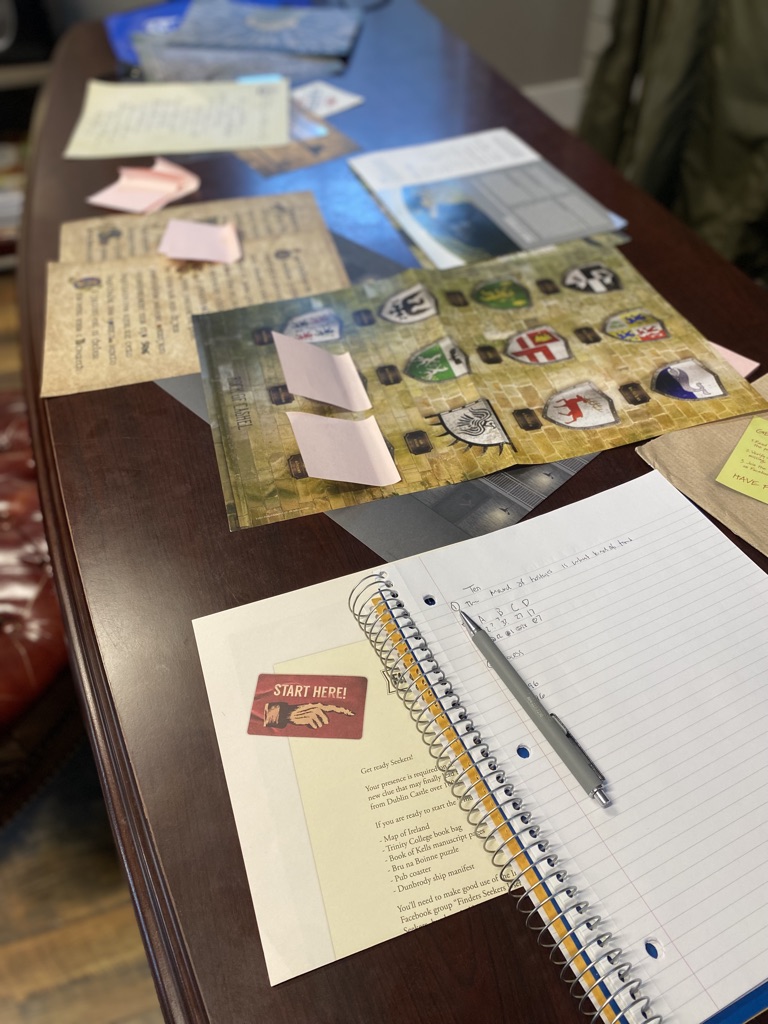
Therapeutic tabletop gaming offers an innovative and engaging approach to support individuals in their personal recovery journeys. Through structured role-playing and collaborative storytelling, participants can explore new perspectives, develop problem-solving skills, and enhance social connections in a safe, controlled environment. These sessions incorporate therapeutic principles such as cognitive behavioral techniques, emotional regulation, and trauma-informed care to promote personal growth and healing.
By facilitating scenarios that encourage creativity, teamwork, and critical thinking, therapeutic tabletop gaming provides a dynamic outlet for individuals to practice real-world skills such as communication, decision-making, and conflict resolution. Participants often gain deeper self-awareness and insight into their emotional and behavioral patterns, all while engaging in a fun, immersive activity. The sessions are adaptable to a wide range of needs, including individuals recovering from substance use disorders, trauma, or mental health challenges, making this method a versatile tool for healing.
Dragons in the Dungeon: Incorporating Therapeutic and Inclusive Practices in Library Table-Top Games
Libraries are dynamic community hubs where creativity, collaboration, and personal growth thrive. Tabletop role-playing games (TTRPGs), such as Dungeons & Dragons, have emerged as powerful tools for fostering community engagement, social connection, and personal development. This panel explores how librarians and educators can integrate therapeutic and inclusive practices into TTRPG programs to meet the diverse needs of their communities.
This session highlights the potential of TTRPGs to bring together patrons from various backgrounds. In this session we will review strategies for designing accessible, trauma-informed game sessions that create a safe, supportive environment for all participants, including neurodiverse individuals, those with disabilities, and marginalized groups.
Attendees will learn how to assess the needs of their users and build inclusive narratives that reflect the experiences and identities of their communities. The panel will also delve into the therapeutic benefits of TTRPGs, such as promoting empathy, teamwork, problem-solving, and resilience. Examples from successful library programs will showcase how these initiatives can serve as bridges between patrons, foster lasting connections, and transform libraries into vibrant social hubs.
Whether you’re looking to launch your first TTRPG program or enhance existing offerings, this session provides practical tools and insights to engage patrons, build partnerships, and position libraries as innovative leaders in community development. Join us as we explore the magic of storytelling, imagination, and inclusivity in the library space.
Neurodiversity and Universal Design Language
Neurodiversity acknowledges that cognitive differences such as autism, ADHD, and dyslexia are natural variations of human thinking, rather than deficits. This perspective promotes an inclusive approach to education and work environments that supports diverse neurological experiences. Universal Design (UD) complements neurodiversity by creating spaces, tools, and resources that are accessible to everyone, regardless of ability.
By applying Universal Design principles—such as flexibility, simplicity, and customizable options—institutions can foster environments that accommodate neurodiverse individuals without the need for special adaptations. This benefits not only those with neurological differences but also enhances accessibility for all users.
Note-Taking Strategies for the Neurodiverse Student
Effective note-taking is crucial for academic success, particularly for neurodiverse students who may face challenges with attention, processing speed, or organization. By employing strategies tailored to diverse cognitive needs, such as visual aids, mind mapping, voice recording, and digital tools with transcription features, students can enhance comprehension and retention. Integrating Universal Design principles into note-taking instruction ensures that these strategies are accessible to all learners. This approach not only supports neurodivergent students but also fosters inclusive learning environments where diverse learning styles are recognized and accommodated.
All topics can be in-person or virtually presented, and can be modified to reach your specific audience.
Please send requests or questions to: literallynovel@gmail.com
 Literally...Novel.